

Launching a private label tea brand allows retailers, distributors, and entrepreneurs to bring a tea product to market under their own name — without owning a tea garden, factory, or blending operation. Here's how the process typically works.
What Is Private Label Tea?
Private label tea means a manufacturer produces tea to a brand's specifications — blend, packaging, and labelling — while the brand owns the customer-facing identity. It differs from OEM manufacturing mainly in flexibility: private label often draws on an existing product range, while OEM can involve more bespoke development from the ground up. In practice, many suppliers, including Shine Tea Holdings, offer both under one roof.
Two Starting Points
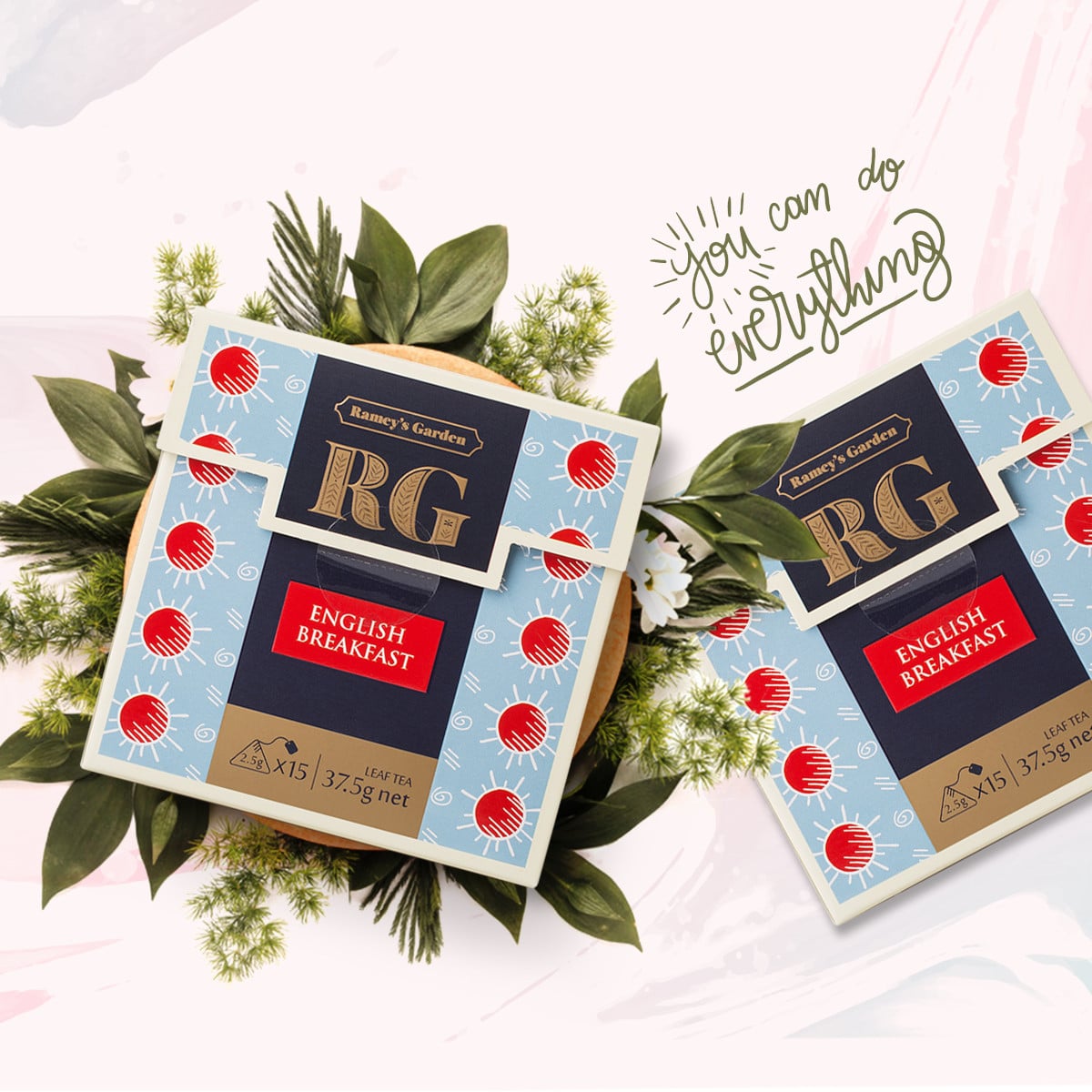
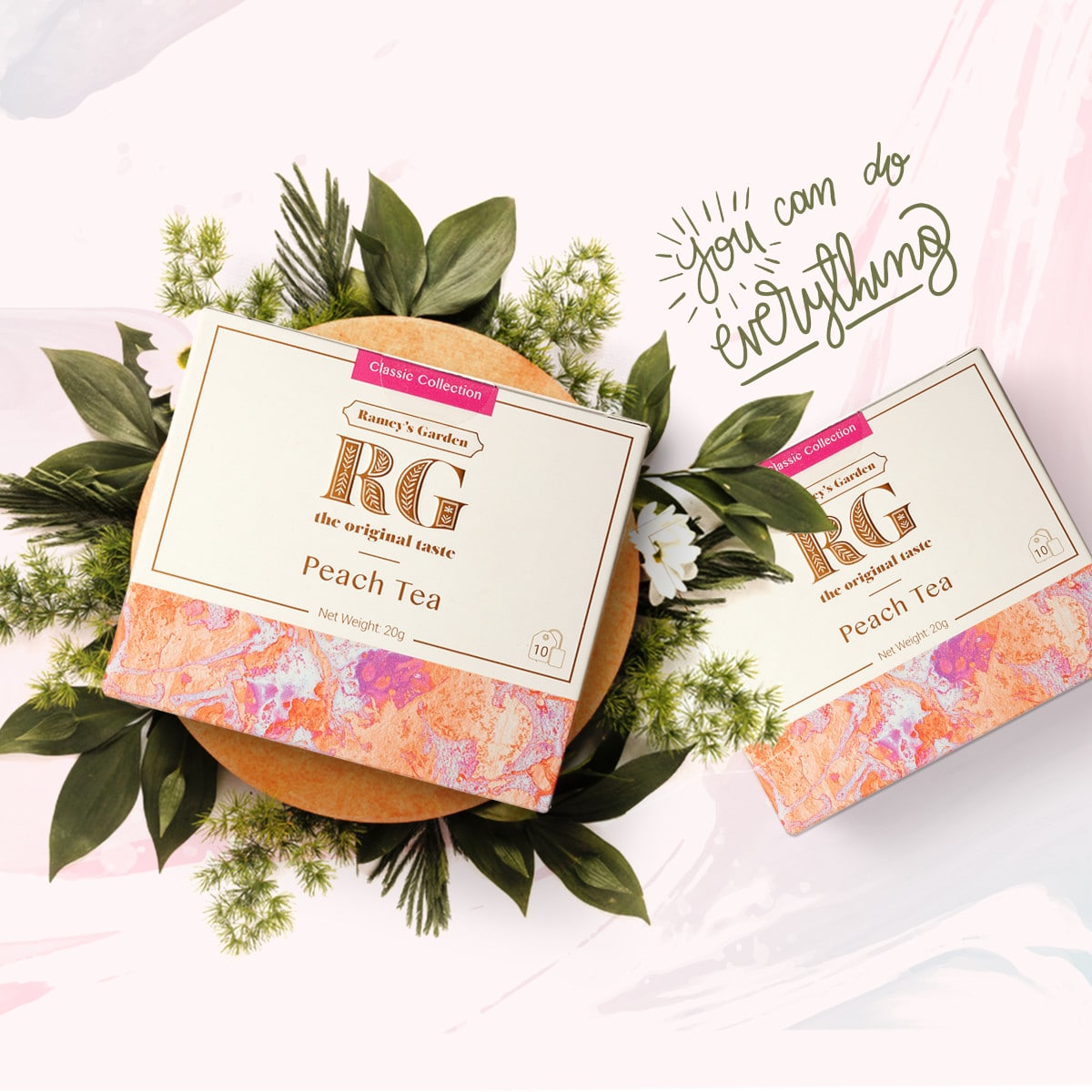
Starting From an Existing Range Using an established product formulation — such as our RG / Ramey's Garden range — is the faster, lower-risk route to market. The tea is already proven; only the branding and packaging change.
Starting From Scratch Brands wanting full differentiation can work with the manufacturer's tea artists to develop a completely custom blend, flavour, and grade selection.
Key Decisions to Make Early
- Product category — black, flavoured, or herbal tea
- Format — loose leaf, tea bags, pyramid bags, tins, or retail boxes
- Packaging design — in-house design and mockups are often included by manufacturers
- Target volume — orders around 1 metric ton or 20ft/40ft container level typically offer the best unit economics
- Target market compliance — language labelling, barcoding, and any required food safety certifications
Typical MOQs and Lead Times
Minimum orders are commonly structured around 10,000 pieces, 1 metric ton, or a container load. Sample lead time is usually around 2 weeks preparation plus roughly 1 week shipping, while full production typically spans about 5 weeks from order confirmation to shipment — though these are approximate and vary by project.
Choosing a Manufacturer
Look for a supplier who can manage the process end-to-end: sourcing, blending, packaging design, production, and export documentation. This reduces the number of vendors you need to coordinate and lowers the risk of miscommunication between stages.