
For buyers new to sourcing Ceylon tea, understanding grading and regional origin helps in selecting the right tea for a target market and price point.
Why Region Matters in Ceylon Tea
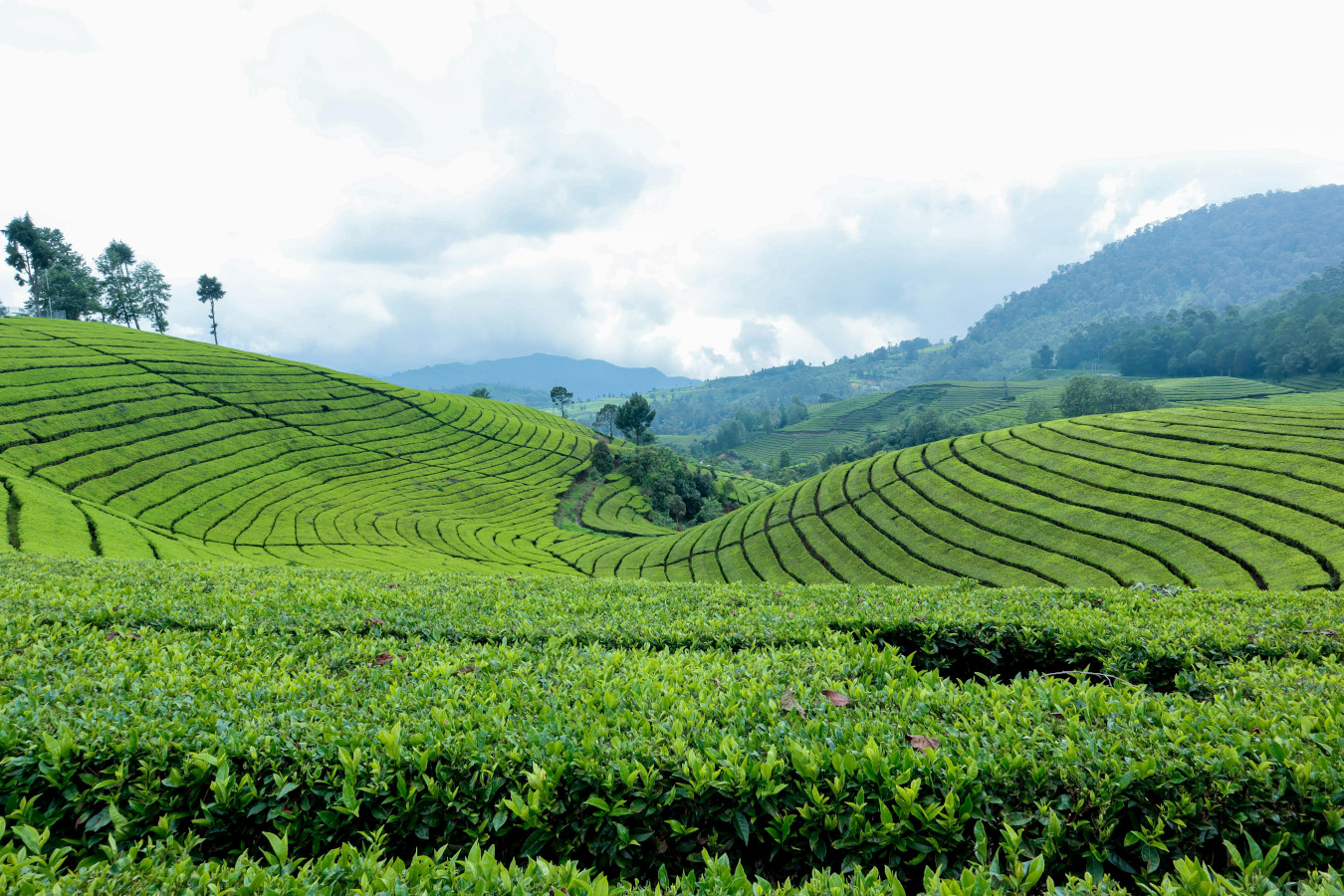
Sri Lanka's tea-growing regions each produce tea with a distinct character, shaped by elevation, climate, and soil. This is one of the reasons Ceylon tea is often sold and marketed by region rather than grade alone.
Nuwara Eliya Grown at the highest elevations, producing a light, bright, delicately aromatic tea — often considered the most refined of Sri Lanka's origin teas.
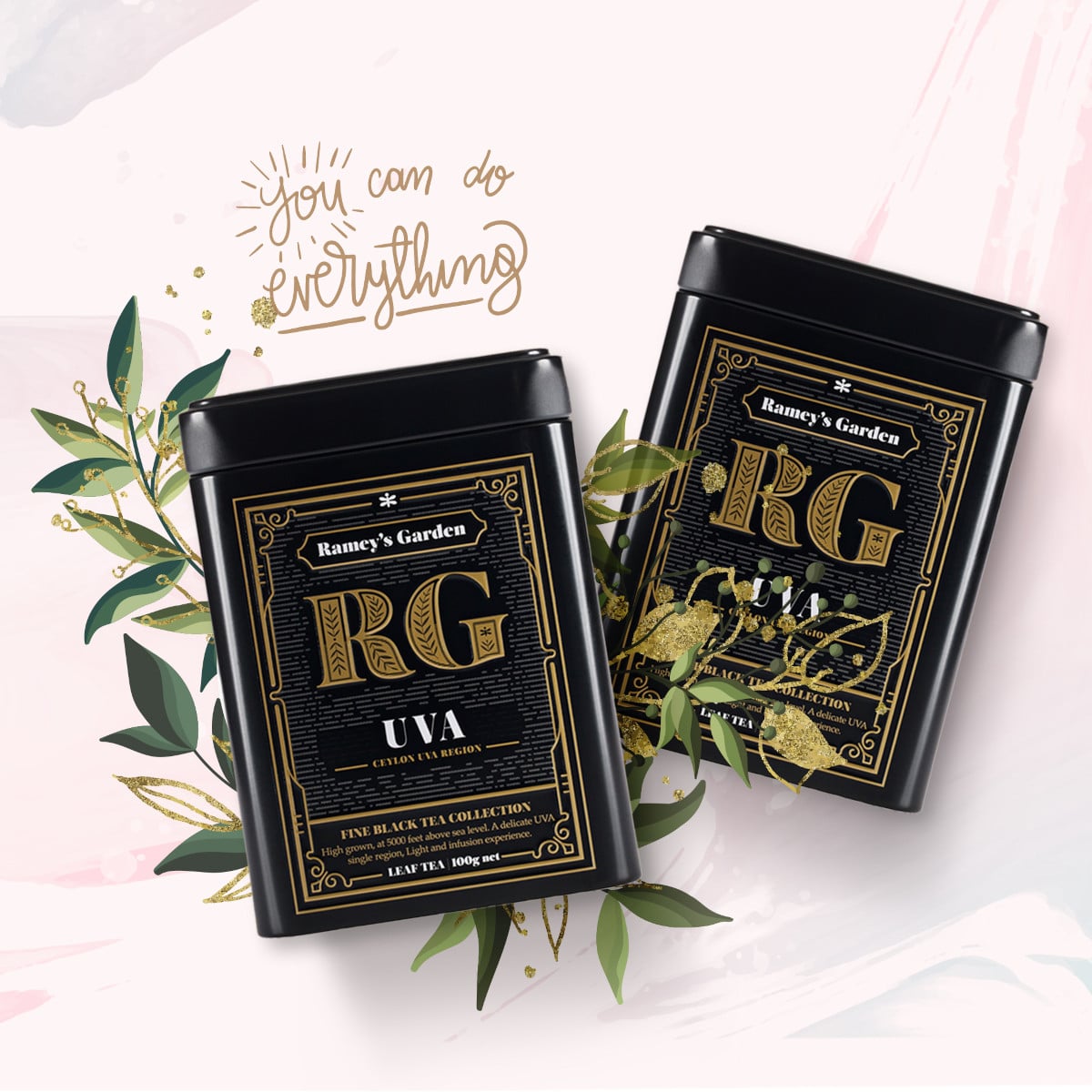
Uva Known for a distinctive character that varies with the season, particularly prized during the Uva quality season for its complexity.
Dimbula A well-rounded, classic Ceylon flavour profile, commonly used as a reliable breakfast tea base.
Ruhuna A low-grown tea with a bold, full-bodied character and darker liquor, suited to buyers wanting a stronger everyday cup.
Understanding Leaf Grades
Beyond region, Ceylon tea is also graded by leaf size and appearance, which affects brewing characteristics and visual presentation — an important consideration for loose leaf retail packaging versus tea bag production, where smaller leaf grades are typically used.
Choosing Origin Tea for Private Label
When developing a private label blend, matching regional character to your target market's taste preferences is often as important as flavour additions. A supplier with direct sourcing relationships across multiple regions — rather than a single estate — can offer more flexibility in matching your brief.